
Table of Contents
- The Role of Lobbying in Legislation
- Key Lobbying Laws and Their Impact
- Case Studies of Lobbying Influence
- The Revolving Door Phenomenon
- Public Interest vs. Private Influence
- Enhancing Transparency and Accountability
- Conclusion
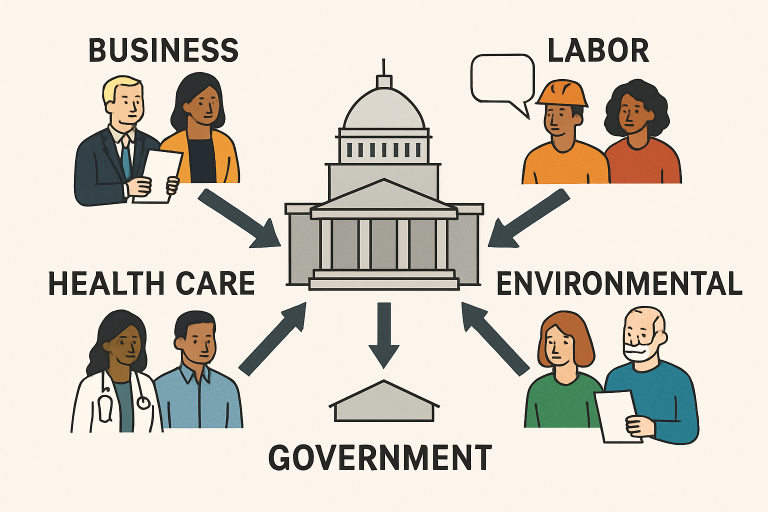
Understanding the mechanisms that shape policy decisions is essential to understanding how laws and regulations come into being. The process often involves a complex interplay of stakeholders, from elected officials to interest groups, all seeking to ensure that their perspectives are considered. Lobbying, when conducted transparently and within legal boundaries, can provide valuable insights and expertise that shape effective legislation and policy outcomes. At the same time, the framework of lobbying laws ensures that these interactions are conducted fairly, promoting accountability and public trust.
For organizations and individuals navigating this landscape, engaging with a lobbying compliance consultant can be instrumental. These experts help ensure that all activities adhere to legal requirements, reducing the risk of violations while maintaining ethical standards. By understanding the rules and complying properly, stakeholders can participate meaningfully in the policymaking process without compromising integrity or transparency.
The Role of Lobbying in Legislation
Lobbying involves individuals, firms, or advocacy groups attempting to sway lawmakers to support, modify, or oppose legislation. This engagement with the legislative process is an expression of democratic values, as it enables stakeholders of varying interests and backgrounds to communicate their policy priorities directly to those in power. When kept transparent and regulated, lobbying helps policymakers access diverse perspectives, contributing to more informed and balanced decisions.
The ethical and practical impact of lobbying, however, varies significantly depending on the legal rules governing these activities. Stricter regulations can reduce corruption, ensure marginalized voices are heard, and build public trust in government. In contrast, weak or poorly enforced rules may open the door to undue influence, allowing powerful interests to overshadow others.
Key Lobbying Laws and Their Impact
Several foundational laws structure the landscape of lobbying in the United States. The Federal Regulation of Lobbying Act of 1946 represented the first effort to require lobbyists to register and disclose their activities. However, its broad exemptions and limited scope meant that only a small portion of lobbyists were covered by the law. In response, the Lobbying Disclosure Act of 1995 established stronger requirements. This statute mandated quarterly registration, reporting of income sources, and clear descriptions of efforts made to influence government officials.
Transparency gained further importance as digital communication enabled new forms of advocacy and influence. Subsequent amendments and regulations targeted closing loopholes around “shadow lobbying” and clarified definitions for foreign agents, consultants, and contractors engaged in advocacy work. Despite improvements, enforcement gaps remain, and special interest groups often find ways to exert private influence while remaining technically compliant with existing disclosure requirements.
Case Studies of Lobbying Influence
Specific examples highlight how shifts in lobbying activity reflect changes in policy and public debate. One prominent case involves the artificial intelligence sector. Between 2022 and 2023, the number of organizations lobbying the U.S. government on AI skyrocketed from under 160 to over 450, with tech giants like Amazon, Meta, Alphabet, and Microsoft each spending substantial sums to influence regulation. Their aim was to shape the environment for future innovation while managing potential liabilities, illustrating how concentrated lobbying can direct lawmakers’ focus toward industry needs.
Another illustrative case comes from privacy legislation battles. In 2025, Google quietly campaigned against California’s Assembly Bill 566, which sought to require browsers to automatically offer users the option to opt out of data sharing with third parties. Instead of openly opposing the bill, Google organized small businesses to oppose the regulations, presenting them as threats to online advertising revenue and digital competitiveness.
The Revolving Door Phenomenon
The so-called “revolving door” refers to the flow of professionals between regulatory agencies, legislative bodies, and private industry. Former lawmakers and government officials often move into lobbying roles, leveraging insider knowledge and connections. This movement can create significant conflicts of interest, as public servants may lean toward favoring organizations that represent their prospective or former employers. Such patterns risk regulatory capture, where the primary function of government becomes serving private rather than public interests. Addressing the revolving door is crucial to maintaining both the integrity and the perception of government decision-making.
Public Interest vs. Private Influence
When lobbying is dominated by entities with extensive financial resources, the interests of the general public can be left behind. Private influence can force a narrow agenda, stifling reforms or even influencing laws that limit competition, suppress wages, or diminish environmental protections. Without sufficient safeguards and diverse advocacy, the government risks becoming more responsive to donors and clients than to voters.
Enhancing Transparency and Accountability
Improved oversight and clear regulations are fundamental to reducing undue influence. Policymakers, watchdogs, and reform advocates commonly propose solutions such as strengthening and enforcing disclosure requirements, increasing penalties for violations, and ensuring that lobbying data is easily accessible to the public. Implementing mandatory cooling-off periods for former public officials entering lobbying roles can slow the revolving door and reduce conflicts of interest.
In addition, public financing of campaigns is often proposed to reduce politicians’ reliance on large donors. Such reforms can redistribute influence more equitably, making policymaking more representative of the electorate as a whole. Stronger transparency requirements empower journalists and citizens to scrutinize and hold both lobbyists and lawmakers accountable.
Conclusion
Lobbying laws play a central role in shaping policy outcomes by moderating how interest groups, corporations, and the public interact with the state. While these laws aim to foster transparency and fairness, they must evolve to address new advocacy strategies and technological developments. Ongoing reforms and vigilant enforcement are necessary to ensure the integrity and legitimacy of the democratic process, always prioritizing public interest over private gain.
Post HTML
The post How Lobbying Laws Shape Policy Outcomes appeared first on The Startup Magazine.